Source Motorcycle Helmet Headset for Riders Firemen and Paragliders
Find 30 motorcycle helmet headsets with noise-cancelling microphones and wired communication for two-way radios. Compare models like RHEL-08C and RAN-3100 from Chinese manufacturers offering CE certification and custom logo options for firemen, motorcyclers, and paragliders.
Key considerations
Products List


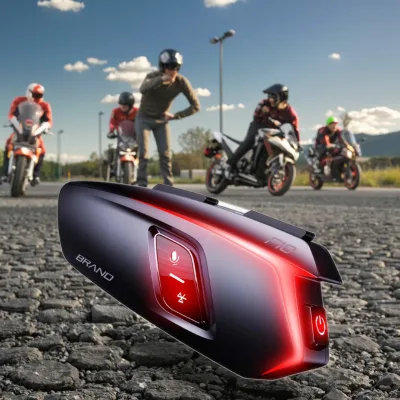
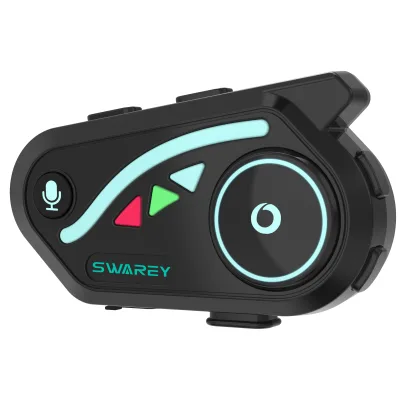
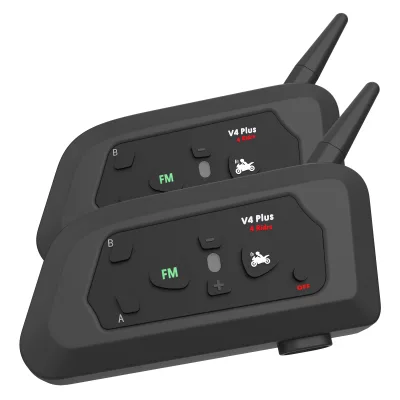


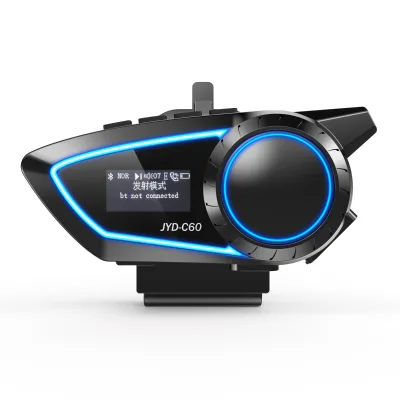


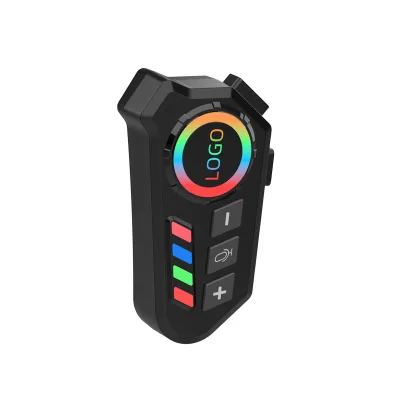


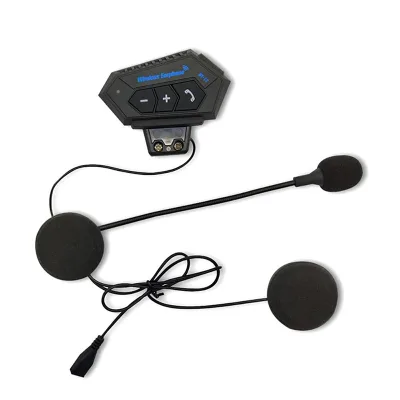
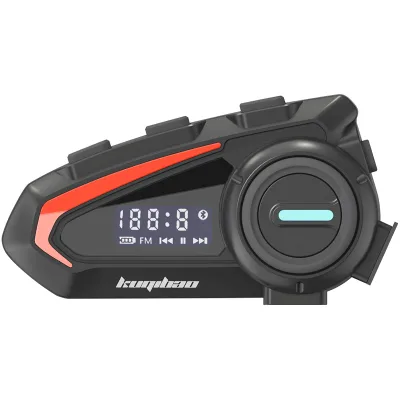


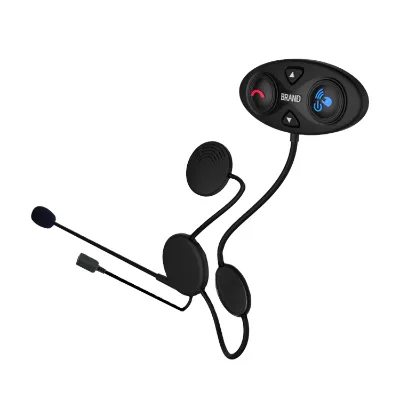
Comprehensive Sourcing Guide
Strategic Sourcing Guide for Motorcycle Helmet Headsets
The procurement of motorcycle helmet headsets requires a nuanced understanding of the intersection between audio performance, safety compliance, and rugged durability. For buyers in the B2B sector, the goal is to source equipment that ensures clear communication in high-noise environments while adhering to strict regulatory standards. The market offers a diverse array of options, ranging from wired electret earphones designed for specific radio protocols to comprehensive helmet-integrated systems. This guide synthesizes available product attributes and industry knowledge to provide a disciplined framework for evaluating suppliers and specifications.
Technical Architecture and Audio Performance
The core functionality of a motorcycle helmet headset relies heavily on the transducer technology and microphone architecture. In the observed product landscape, a significant segment utilizes Electret Earphone technology. This type of transducer is favored for its sensitivity and ability to deliver a "Loud and Clear" voice output, which is critical when riders are exposed to wind noise and engine roar. The audio path is typically wired, utilizing specific wire materials such as Polyurethane (PU) or Polyvinyl Chloride (PVC). PU is often preferred in rugged applications due to its superior flexibility and resistance to cracking under temperature fluctuations compared to standard PVC.
Microphone selection is equally vital. The most effective units for this application feature a Noise-Cancelling Microphone. This feature is not merely a marketing term but a functional requirement that filters out ambient wind and engine noise to ensure the rider's voice is transmitted clearly to the radio or intercom system. The headset design often follows a Headband style or a Plug-in configuration, allowing for versatile integration with various helmet models. The connector interface is a critical technical variable; successful procurement requires matching the headset's connector to the specific radio unit. The market supports "All Kinds Two Way Radio Connectors," necessitating that buyers verify compatibility with their existing fleet of communication devices before placing orders.
Safety Standards and Noise Reduction Metrics
Safety is the paramount consideration when sourcing headsets for motorcyclists, firemen, and other riders. The product data indicates specific acoustic performance metrics that must be verified during the selection process. A key specification observed is the Noise Reduction Rating (NRR), with certain models rated at 25dB. This figure represents the attenuation capability of the headset, protecting the rider's hearing from excessive noise while allowing critical audio signals to pass through. Additionally, the Volume Control Attenuation is noted at 15dB in some configurations, providing a mechanism to manage sound levels and prevent hearing damage during prolonged use.
Hearing protection is a built-in feature of these devices, often achieved through a "Dual Muff" receive method. This design ensures that sound is delivered directly to the ear canal, reducing the need for high volume settings that could compromise hearing safety. When evaluating suppliers, buyers must confirm that the product carries recognized certifications. The observed data references CE and ISO standards, as well as CE/Rohs compliance. These certifications indicate adherence to European safety directives and restrictions on hazardous substances. For procurement in other regions, buyers should verify if the supplier can provide equivalent documentation, such as FCC compliance for North America or specific national motorcycle safety standards.
Material Durability and Environmental Resistance
Motorcycle headsets operate in harsh environments characterized by vibration, moisture, and temperature extremes. The physical construction of the headset must reflect this reality. The wire material is a primary point of failure if not selected correctly; PU and PVC are the standard choices, but the quality of the insulation and the strain relief at connection points are often differentiators between premium and budget units. The product color is predominantly Black, a standard choice for durability and aesthetic consistency with helmet gear, though customization options like logo printing are frequently available.
Water resistance is a critical specification for outdoor use. Some models in the market achieve an IP67 rating, indicating complete protection against dust and the ability to withstand temporary immersion in water. This level of protection is essential for riders who encounter rain or wash their gear. The packaging also plays a role in product integrity; options range from simple Poly Bags to more robust Kraft Boxes or Standard Airworthy Packing. The latter is particularly relevant for buyers sourcing equipment for aviation-adjacent activities, such as paragliding or paramotoring, where the headset is used in similar high-altitude, high-noise environments.
Compliance Verification and Certification Checks
Navigating the regulatory landscape is a complex but necessary step in B2B procurement. The supplied facts highlight a variety of standards, including CE, ISO, and Rohs. However, the presence of these marks on a product listing does not guarantee compliance for every unit in a shipment. Buyers must treat these as observations of the supplier's capabilities rather than automatic assurances. The verification process should begin with requesting valid test reports from accredited laboratories. These reports should explicitly confirm the Noise Reduction Rating (NRR) of 25dB and the IP67 waterproof rating if claimed.
Furthermore, the origin of the product is a significant factor in compliance. The data indicates origins in China, specifically Guangdong, a major manufacturing hub. While this region is known for high-volume electronics production, it also requires rigorous supplier vetting. Buyers should ensure that the supplier maintains a consistent quality management system, likely ISO 9001 certified, to ensure that the CE or ISO marks are applied correctly and legally. For products intended for specific industries like construction or firefighting, additional industry-specific certifications may be required beyond the general CE/ISO markers.
Cost Drivers and Pricing Dynamics
The pricing for motorcycle helmet headsets varies significantly based on the integration of features and build quality. The observed price range in the market spans from 5.62 USD to 200 USD. This wide disparity reflects differences in component quality, such as the type of microphone, the durability of the wire, and the sophistication of the noise-cancelling algorithms. Lower-priced units may offer basic wired connectivity and standard electret microphones, while higher-priced models likely include advanced noise cancellation, superior waterproofing, and more durable materials like PU wiring.
The Minimum Order Quantity (MOQ) is another cost driver, ranging from 1 to 100 units. A lower MOQ allows for smaller trial orders, which is beneficial for buyers testing new suppliers or specific product lines. However, higher volumes often unlock better unit pricing and more favorable customization terms. Customization, including logo printing and specific packing configurations, is a standard offering but can influence the final cost and lead time. Buyers should calculate the total cost of ownership, including the potential need for replacement parts or the cost of custom branding, rather than focusing solely on the base unit price.
Supplier Evaluation and Quality Assurance
Selecting the right supplier involves more than just matching specifications; it requires a deep dive into their production capabilities and quality control processes. The product data lists various models, such as the RHEL-08C, RHEL-08, RAN-3100, and CMMI-X6, indicating a diverse portfolio. A reliable supplier should be able to provide detailed technical datasheets for each model, explaining the operating current (e.g., 30-100mA) and battery specifications (e.g., 1000mAh) where applicable.
Quality control should be a collaborative effort. Buyers should request samples to test the "Loud and Clear" voice quality and the effectiveness of the noise-cancelling microphone in real-world conditions. The warranty period is a strong indicator of supplier confidence; a 12-month warranty is a standard benchmark observed in the market. Additionally, the condition of the product should be verified as "New," and the packaging should be inspected to ensure it protects the item during transit. The "Standard Airworthy Packing" mentioned for certain models suggests a high level of care in logistics, which is a positive signal for the supplier's attention to detail.
Long-Term Procurement and Application Scope
The applications for motorcycle helmet headsets extend beyond simple recreational riding. The data highlights usage for Paragliders, Paramotors, Skydivers, Firemen, and Construction workers. This versatility suggests that the procurement strategy should be flexible enough to accommodate different use cases. For instance, a headset used by a fireman may require different durability standards than one used by a recreational motorcyclist. The "Dual Muff" receive method and high NRR ratings are particularly relevant for industrial applications where hearing protection is mandatory.
Long-term procurement considerations include the availability of spare parts and the scalability of the order. The "Plug-in" jack type and compatibility with various radio connectors ensure that the headsets can be integrated into existing communication infrastructures. As technology evolves, buyers should look for suppliers who offer upgrades or compatible accessories. The ability to customize the logo and packaging allows companies to maintain brand consistency across their fleet. Ultimately, the goal is to establish a supply chain that delivers reliable, safe, and high-performance headsets that meet the rigorous demands of professional and recreational riders alike. By adhering to the technical and compliance standards outlined in this guide, buyers can mitigate risk and ensure the safety and communication needs of their users are met effectively.
FAQs
What microphone technology do these headsets use?
These headsets utilize Electret Earphone technology paired with a Noise-Cancelling Microphone. This combination ensures loud and clear voice transmission while filtering out ambient wind and engine noise for riders in high-noise environments.
Which certifications are available for these products?
Available certifications include CE, ISO, and RoHS standards. Buyers should verify specific test reports to confirm compliance with regional safety directives and hazardous substance restrictions before placing bulk orders.
Can I customize the logo and packaging?
Yes, logo customization and specific packing configurations are available options. Suppliers offer choices ranging from poly bags to kraft boxes, allowing buyers to maintain brand consistency across their fleet of headsets.
What is the noise reduction rating for these units?
Certain models feature a Noise Reduction Rating of 25dB. This metric indicates the headset's ability to protect hearing from excessive noise while maintaining clear communication through a dual muff receive method.
How durable are the wire materials used?
Wire materials typically include Polyurethane (PU) or Polyvinyl Chloride (PVC). PU is often preferred for its superior flexibility and resistance to cracking under temperature fluctuations compared to standard PVC in rugged applications.
What is the warranty period for these headsets?
The standard warranty period observed in the market is 12 months. This coverage reflects supplier confidence in product quality and provides buyers with protection against defects during the initial year of use.
Are these headsets suitable for extreme weather?
Some models achieve an IP67 waterproof rating for dust and water immersion. This level of protection is essential for riders and professionals operating in rain or harsh outdoor environments requiring durable gear.